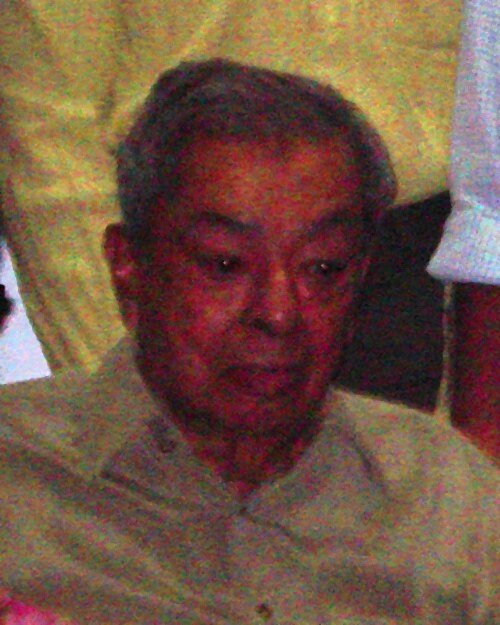
Anand, where he did not want to stay
According to biographical material linked to the government and NDDB, Kurien studied mechanical engineering and trained in Michigan before being sent, under a government bond, to the creamery at Anand in 1949. At first he had no wish to stay. But the work of the farmers’ cooperative nearby, and his connection with its leader Tribhuvandas Patel, changed the course of his career.
The management behind the Amul model
His core contribution at the Kaira District Cooperative Milk Producers’ Union was to strengthen a model in which farmers owned the business, backed by sound processing, marketing and professional management. On the technical side, achievements such as H. M. Dalaya’s breakthrough in making powder from buffalo milk gave the cooperative new products. Kurien led the work of turning these pieces into an institution that could grow.
NDDB and Operation Flood
In 1965 he became founder-chairman of the National Dairy Development Board (NDDB). NDDB designed Operation Flood to take the Anand pattern to milk sheds across India. The three-tier structure, a village cooperative feeding a district union feeding a state federation, aimed to give producers market access, a procurement network and ownership of the value chain.
The impact of the White Revolution
Operation Flood is counted among the world’s largest dairy development programmes, and NDDB calls Kurien the architect of India’s White Revolution. But the transformation in milk output involved millions of farmers, cooperatives, veterinary services, chilling and transport networks and public policy. Calling it one man’s personal achievement would be wrong.
A legacy of institutions
He received many honours, including the Padma Shri (1965), Padma Bhushan (1966), World Food Prize (1989) and Padma Vibhushan (1999). Institutions such as the Institute of Rural Management Anand (IRMA), and a culture of professional cooperative management, carried his influence beyond dairy.
His lasting lesson is that rural development becomes sustainable not through charity, but when producers own their institutions and those institutions are run professionally. The biggest form of leadership is building systems that keep working after you are gone.
Sources
- NDDB: Dr Verghese Kurien profile
- New India Samachar (Nov 2022): biographical profile
- World Food Prize: 1989 laureate
- Wikimedia Commons: photograph by Swetapadma07 (CC BY-SA 3.0)
- nddb.coop/about/chairman/vkurien
- newindiasamachar.pib.gov.in/WriteReadData/Magazine/2022/Nov/M202211161.pdf
- worldfoodprize.org/en/laureates/19871999_laureates/1989_kurien/
- commons.wikimedia.org/wiki/File:Dr._V._kurien_(cropped).JPG