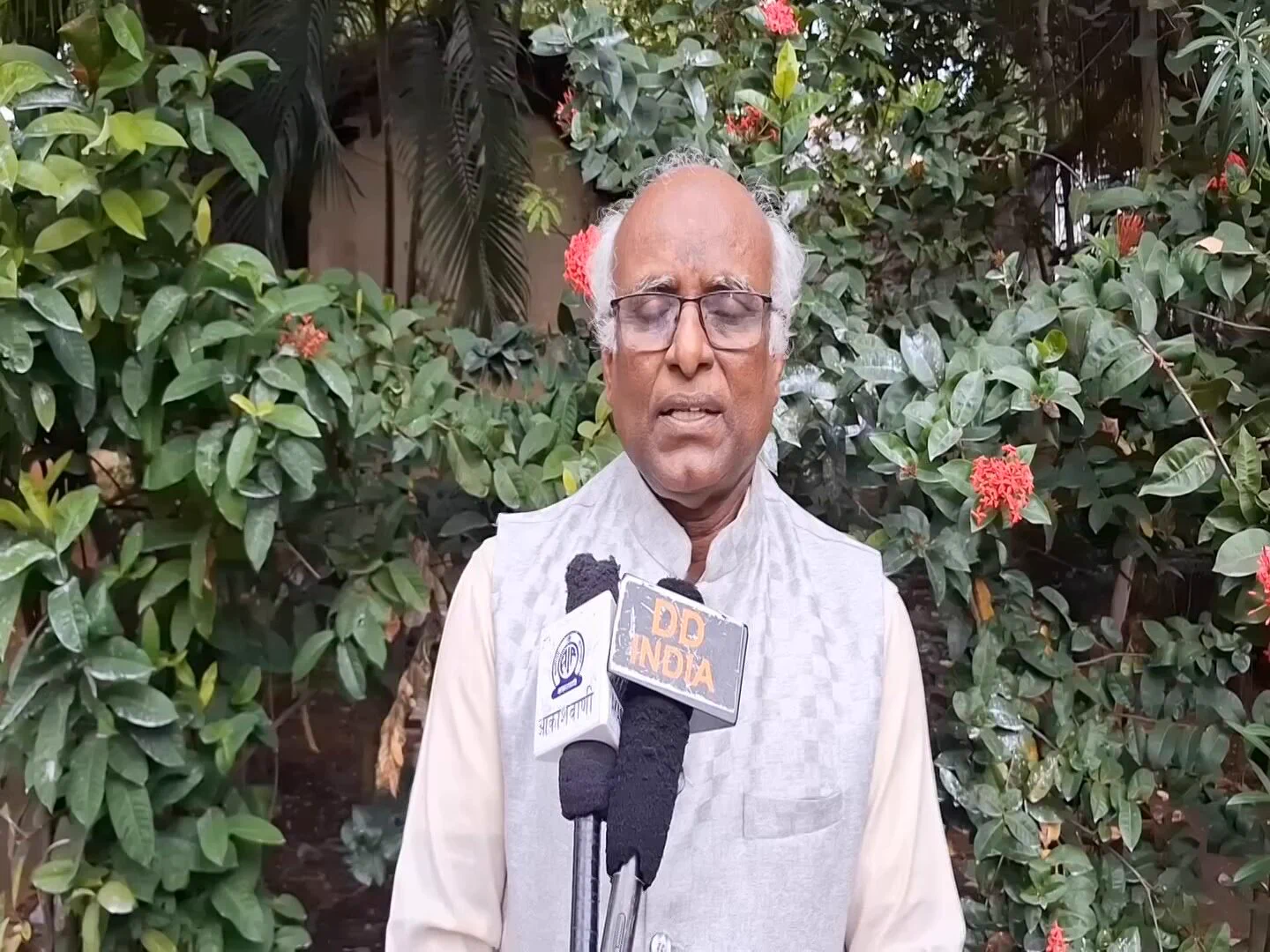
A pharmacologist for animals
Dr. Punniamurthy Natesan works where livestock health, traditional herbal knowledge and antimicrobial resistance meet. According to his official Padma citation, he was born on 6 March 1957 and studied veterinary pharmacology at Madras Veterinary College, where his doctorate won a gold medal.
From 1980 he worked in teaching, research and field extension at institutions including TNAU, TANUVAS, the Trans-Disciplinary University and NDDB. After 2001, his main focus became documenting and scientifically validating ethnoveterinary practices, especially Siddha and other traditional herbal remedies.
Fewer antibiotics, healthier herds
The citation mentions field protocols developed and validated for many livestock problems, including mastitis, foot-and-mouth disease, lumpy skin disease, and parasitic, reproductive and digestive conditions. His wider aim has been to give farmers practices that reduce indiscriminate antibiotic use and drug residues, in line with One Health and antimicrobial-resistance concerns.
Teaching it properly
He helped build a postgraduate diploma and a training system in Ethno Veterinary Practices. According to the citation, more than 1,00,000 livestock farmers and more than 1,000 veterinarians have been part of his training and extension programmes.
He moved traditional knowledge out of a simple “believe it or reject it” debate and into documentation, testing and professional training. That is the most durable path for any traditional practice.
Sources
- PIB / Padma Awards 2026: official citations
- Padma Awards 2026: notification
- PIB / DD India: profile video
- static.pib.gov.in/WriteReadData/specificdocs/documents/2026/jun/doc2026623901101.pdf
- padmaawards.gov.in/Document/pdf/Notifications/PadmaAwards/PadmaAwards2026.pdf
- youtube.com/watch?v=Y7g_N7qQzUc