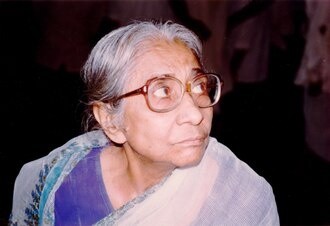
A Doctor of Science in 1944
Asima Chatterjee was born on 23 September 1917 in Calcutta. She took her higher education in chemistry at the University of Calcutta.
In 1944 she was among the first Indian women to receive a Doctor of Science from an Indian university. Building doctoral research and leading a laboratory as a woman scientist in the academic world of the 1930s and 40s was itself a major challenge.
Chemistry of medicinal plants
Her research centred on natural products: alkaloids, coumarins and the chemistry of medicinal plants. She isolated bioactive compounds from Indian plant sources, worked out what they were, and studied their antimalarial and antiepileptic potential.
Her group’s work joined indigenous knowledge of medicinal plants with modern chemical characterisation. Such knowledge is valuable when it is tested by chemistry and evidence; claims that something works must always rest on that evidence.
A school of chemists
Alongside her research she trained a large generation of students and built a research school in organic chemistry at the University of Calcutta. She was also the first woman to become General President of the Indian Science Congress.
Her influence on Indian medicinal chemistry, and on the place of women in science, is deep. She showed that world-class chemical research could be done in Indian universities.
Sources
- INSA fellows and archives
- Shanti Swarup Bhatnagar Prize archive
- University of Calcutta
- insaindia.res.in/
- ssbprize.gov.in/
- caluniv.ac.in/