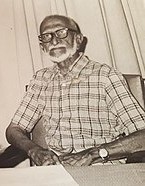
A boy and a bird
Salim Moizuddin Abdul Ali was born on 12 November 1896 in Bombay. As a child, his curiosity about identifying a bird took him to the Bombay Natural History Society, and his interest in birds grew.
A formal career in zoology was not a straight path. There was a family business in Burma, and later exposure to museums and ornithology in Germany, before he came back to India.
Surveys on foot
Formal job opportunities were limited, but he built a career from field surveys and independent natural-history work. He carried out systematic bird surveys in princely states and remote regions, recording where species lived, their ecology and their habitats.
These large regional surveys, his accessible identification guides and his ecological observations made the empirical base of Indian ornithology stronger.
Birds for everyone
His field guides and The Book of Indian Birds took ornithology beyond professionals to the general public. He was not just a maker of bird lists: he was active in conservation debates over habitats such as Bharatpur and Silent Valley, and he greatly increased the scientific and conservation influence of BNHS.
Observation is a serious scientific skill. Long-term field notes can become invaluable evidence for protecting biodiversity.
Sources
- BNHS: Salim Ali profile
- Bombay Natural History Society
- Britannica: Salim Ali
- bnhs.org/public/authorData/Stalwart%20issue%20%2817%29-Salim%20Ali.pdf
- bnhs.org/
- britannica.com/biography/Salim-Ali